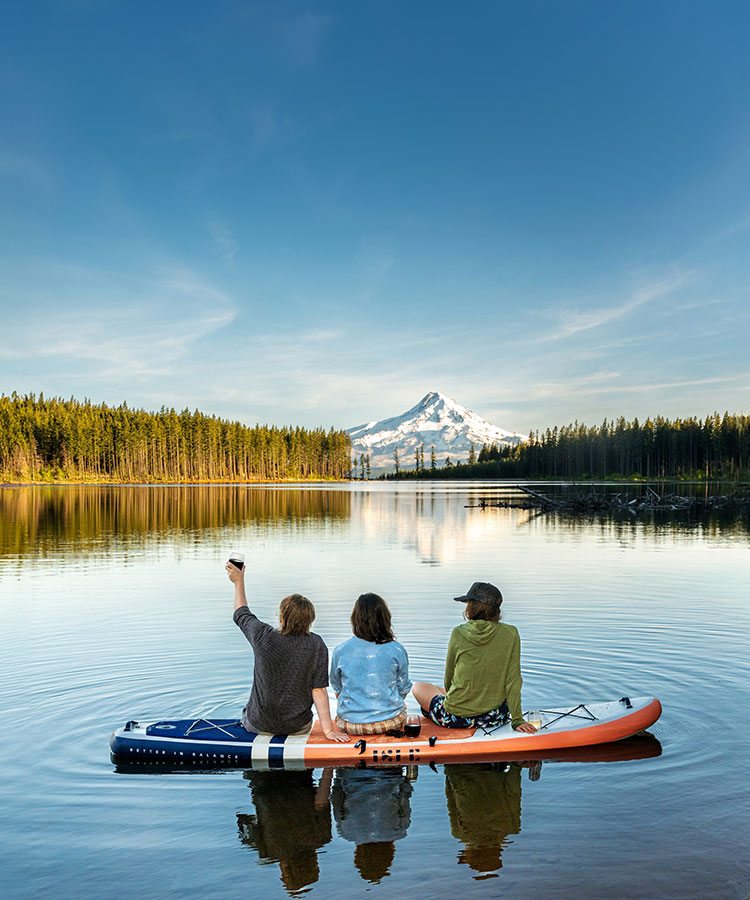

Oregon is anything but ordinary. A rugged state of extremes, its jagged coastline, sage-hued valleys, and verdant hills – carved by floods, glaciers, and the shifts of time – is known for its dramatic beauty. Here, vineyards rise on volcanic soils, cool maritime fog influences ripening cycles, and coastal conditions shape growing environments, making it not only a highly diverse ecosystem, but a compelling region for site-driven viticulture.
Boasting 23 American Viticultural Areas that stretch from Portland’s urban wineries to the cobblestone-rich Rocks District, each region carries its own personality. The Willamette Valley, world-famous for its elegant Pinot Noir, is framed by the Coast Range to the west and the Cascades to the east, offering distinct mesoclimates that directly inform vine expression and structure in the glass. Meanwhile, the Umpqua Valley, a lesser-known but highly versatile growing region, thrives on grape diversity from Tempranillo to Viognier. Further south, the Rogue Valley delivers bold reds cultivated in warmer styles.
Along the Columbia Gorge, the terrain challenges winemakers with temperamental winds, high-elevation slopes, and a striking contrast between the wet western and arid eastern climates. These conditions yield Pinot Noir with red fruit and floral notes, and Chardonnay marked by crisp acidity and citrusy finishes — alongside a diverse cast of varieties such as Syrah, Tempranillo, Riesling, Gewürztraminer, and Barbera, all of which thrive across this dynamic landscape. To the east, the Rocks District of Milton-Freewater on the Oregon side of the Walla Walla Valley stands apart for its distinctive cobblestone soils, which produce powerful, savory Syrah with earthy, olive-tinged complexity and a uniquely textural profile.
Although Oregon gained its reputation from Pinot—both Noir and Gris—beyond these favorites it’s home to exceptional Syrah, Cabernet Sauvignon, Gamay, Gewürztraminer, and even more obscure European varietals like Dolcetto and Müller-Thurgau. This diversity is possible thanks to the state’s many microclimates—from cool, rainy conditions in the west to hot, arid conditions in the east—which can even allow for variety within a single AVA. Native soils ranging from volcanic to lahar and loess contribute minerality and structural complexity to the wines.
These climatic and soil variables enable local producers to experiment and push the envelope, ensuring that wines always reflect the land that nurtures them in distinctly Oregonian ways. No two vintages are the same, and that unpredictability creates vibrant yet elegant expressions that are deeply representative of place.
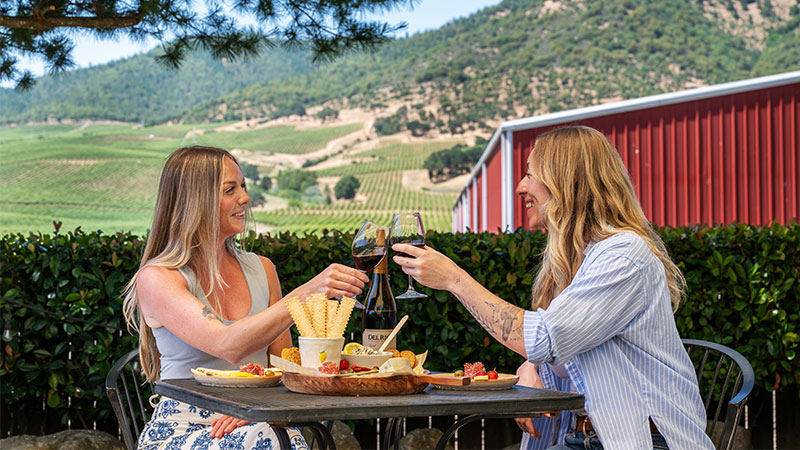
A Community of Artisan Producers, Rooted in Sustainability and Experimentation
Oregon’s winemakers are more than oenologists; they’re stewards of the land. They craft wines that reflect a philosophy of care, community, and constant reinvention. Winemaking here dates back to the 1840s and the pioneer era (the real life Oregon Trail!), with commercial production beginning in the 1960s. Here sustainability goes beyond marketing as it’s part of an inherent daily practice. Nearly 40% of the U.S.’s biodynamic vineyards call Oregon home. The state also has over 250 LIVE-certified sustainable vineyards. As part of a rich tradition of craft, winemakers rotate crops to conserve water and protect habitat, ensuring that great blends begin long before harvesting the first grape.
Family estates like Brooks Wine and Maysara Winery fuse tradition and ingenuity, growing lesser-known grapes or fermenting in acacia and local white oak barrels. In the Rogue Valley, Cowhorn Vineyard & Garden produces Marsanne and Viognier as animals graze along its riverfront, while Troon Vineyard & Farm pushes boundaries with amphorae-aged Vermentino and Mourvèdre – with all four wineries being biodynamic certified.These are just a few examples from across 23 AVAs, where winemakers share insights, trade techniques, and fuel Oregon wine’s reputation for innovation.
Oregon’s landscape offers something for every traveler, from urban explorers seeking intimate tasting rooms to invitations to meet the makers and sample straight from the barrel in rural settings. Here, wine is a lifestyle that’s deeply rooted in the land and equally supported by a sophisticated culinary culture, where award-winning chefs, tasting menus, and destination restaurants in Portland and across the state make Oregon among the country’s most dynamic food and wine regions.
Adventure in Every Sip
Exploring Oregon’s wine regions is as much about the journey as the final pour. Begin in Portland, where spots like Fullerton Wines and Teutonic Wine Company reimagine the vineyard tasting room experience within city limits.
Then, venture into the Willamette Valley, where Oregon’s signature Pinot Noir takes on a lifted, velvety edge — think bright red fruit layered with spice and earth — shaped by the region’s volcanic Jory soils in Dundee Hills. Nearby, in the Eola-Amity Hills, cooling winds funnel through the Van Duzer Corridor, preserving acidity in Chardonnay and lending its white wines a taut, mineral-driven profile with notes of pear and citrus. Head south to the Umpqua and Rogue Valleys, where warmer temperatures allow for a broader range of styles, from structured Tempranillo and Syrah to fuller-bodied Bordeaux varieties.
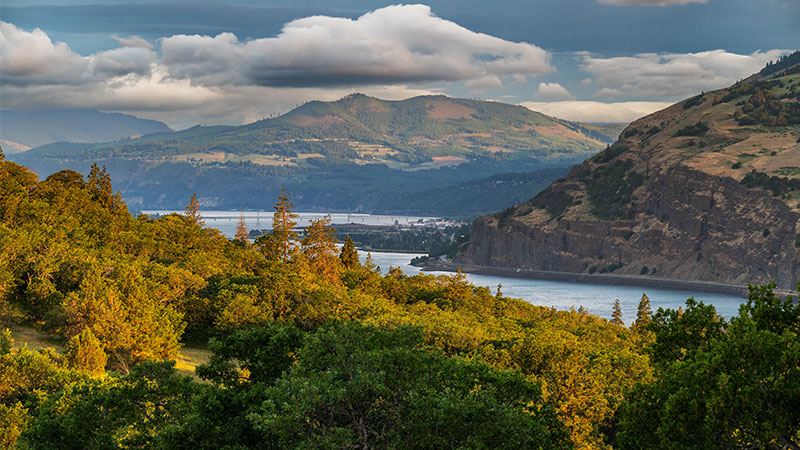
Farther north, in the Columbia Gorge, vineyards climb from near river level to over 2,000 feet, and wind exposure shapes everything from crisp, high-acid whites to spice-driven reds. The journey culminates in the Walla Walla Valley, an AVA that spans the Oregon–Washington border, where cobbled soils and warm days produce deeply concentrated Syrah and Cabernet Sauvignon with power and polish.
Throughout your travels, wine lovers can take self-directed routes that connect AVAs with distinct soil profiles and climatic influences along Route 18 and the Willamette Valley Wine Trail. Visitors can stop in quaint wine country towns like Newberg and McMinnville, where culinary and wine blend seamlessly, showcasing the true bounty of Oregon’s soils, seas and climate.
In between, explore vineyard-adjacent ecosystems – from centuries old forests to ancient river systems – or engage directly with harvest and cellar work where available, while stopping along the way for vineyard tours and tastings. For a regionally grounded pairing, consider a crisp local Albariño with freshly shucked premium Kumamoto oysters harvested from the coast, or Oregon’s award-winning traditional-method sparkling wines — such as those from Argyle Winery, Sokol Blosser, Gran Moraine, or ROCO Winery — whose bright acidity and fine mousse make them a natural match for shellfish. For heartier fare, turn to a bold Grenache or one of the many Pinot noir expressions alongside organically-made artisan cheese accompanied by Oregon hazelnuts and freshly baked artisan bread with Oregon truffle butter.

Hit the Road with Taste
With warmer spring weather arriving, late spring and summer is the perfect time to explore the Pacific Northwest. May is Oregon Wine Month, when the state comes alive with tastings, special releases, and events. You can check the official Oregon Wine Month site or local winery calendars to plan your visit.
Each change in season is an excuse to try an Oregon wine, whether it’s a Chardonnay in spring, a refreshing rosé of Pinot noir for summer, a classic Pinot noir in the fall, or bold Syrah for winter. Each wine reflects the state’s dynamic spirit. So, take this as your invitation to discover a place where adventure meets quality in every bottle and blend.
This article is sponsored by Oregon Wine Board.
