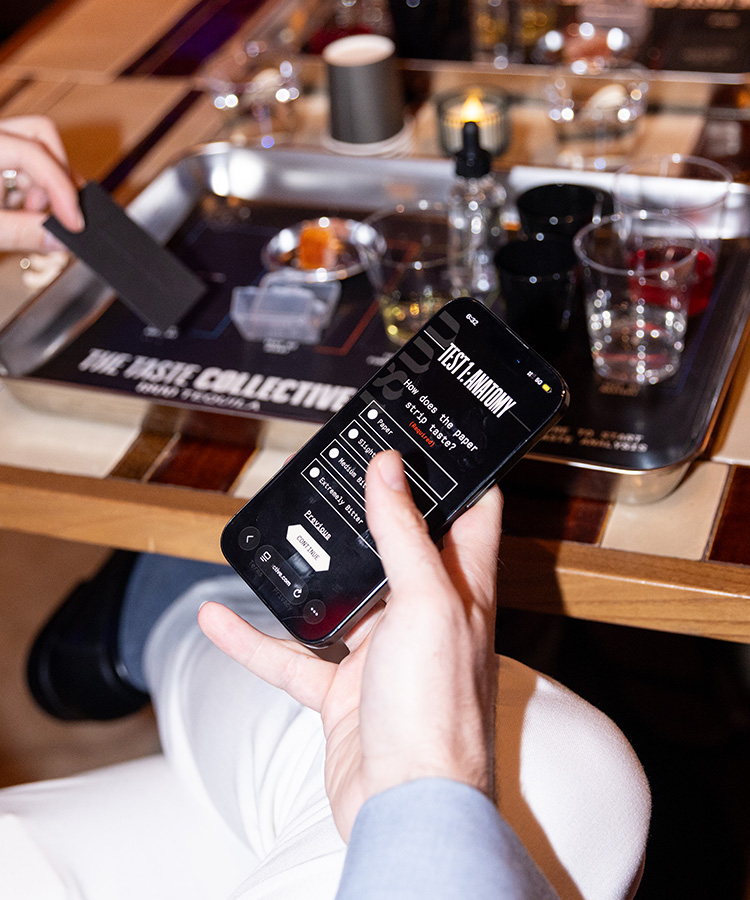

In a crowded spirits landscape, education has become one of the most effective ways for brands to connect with bartenders. 1800 Tequila is leaning into that idea with the Taste Collective, a nationwide initiative built around one central concept: helping bartenders better understand the mechanics and science of flavor.
Launched last year, the program combines in-person workshops, expert-led sessions, and a proprietary “Taste Analysis” designed to map individual palates. Instead of focusing only on product education, the idea is to give bartenders tools they can use across their work — from building balanced cocktails to refining how they talk about flavor with guests.
The approach reflects a broader shift in the industry, where brands are investing more in skill-building and less in one-off activations.
A Structured Way of Understanding Taste Perception
At the center of the Taste Collective is its science-based analysis, developed with input from acclaimed flavor scientist Dr. Arielle Johnson, Ignacio “Nacho” Jimenez — a bartender who has led the team of a top 5-ranking bar in North America’s Top 50 — and award-winning restaurateur Ana Castro.
The experience begins by determining whether participants are a supertaster, a hypertaster, or a normal taster, and continues through five core areas: anatomy, scent, fundamentals, emotion, and mastery. Each area is explored through guided tasting exercises that encourage participants to actively evaluate what they are experiencing. The goal is to break down taste into components that can be understood and applied. Genetics and physiology shape how intensely someone perceives flavor. Aroma plays a significant role in how a drink is interpreted. Balance across sweet, sour, bitter, salty, and umami provides the foundation. Memory and emotion influence perception. Technique determines how those elements come together in a finished cocktail.
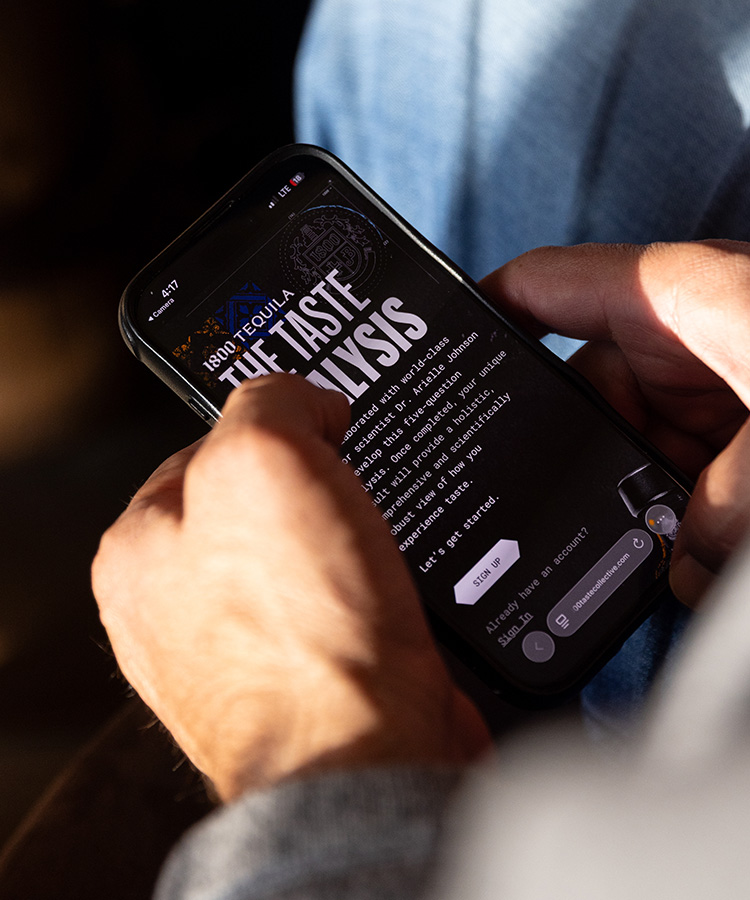
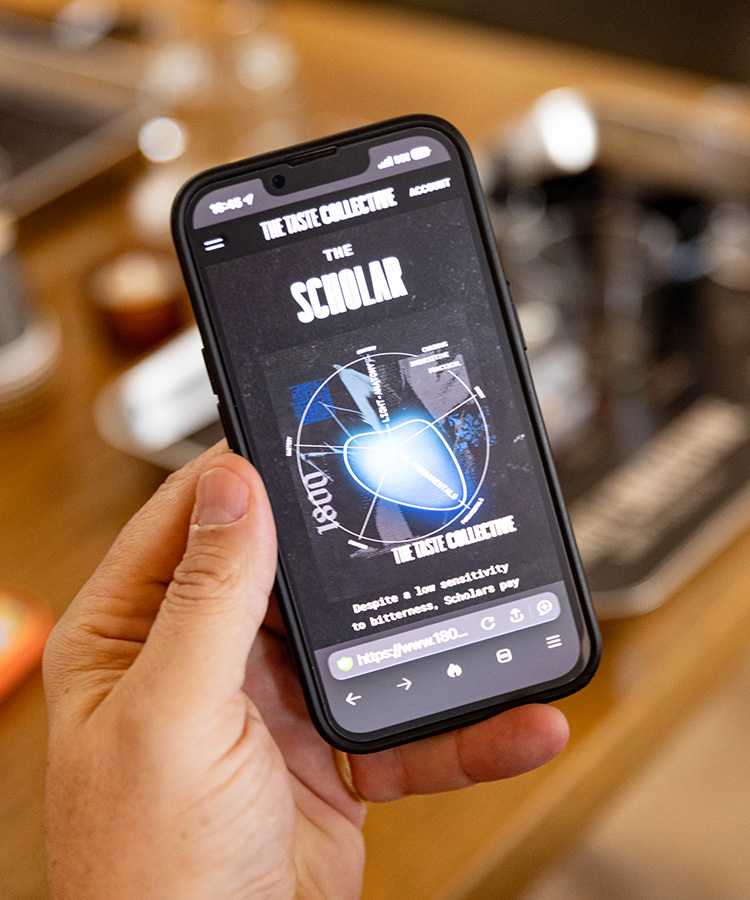
At the end of the session, each participant receives a personalized “taste archetype.” These profiles, which include categories like Seeker, Scholar, Host, and Engineer, are designed to highlight strengths in how someone perceives and works with flavor.
The output is practical. Bartenders are given suggestions for how to apply their results, whether that means focusing on structure and balance or experimenting with techniques like infusion and extraction.
Why Palate Development Matters Behind the Bar
For bartenders, palate development has always been part of the job, but it is not always taught in a structured way. Programs like the Taste Collective attempt to refine palates by training participants in the art of understanding flavor profiles and tailor their bar programs more effectively. As cocktail menus become more complex and guest expectations continue to rise, the ability to understand flavor on a deeper level can influence everything from menu development to guest interaction. Being able to explain why a drink works or adjust it in real time is often what separates a good bar program from a great one.
1800’s approach also reflects an understanding of how bartenders engage with brands today. The program is designed to appeal to a wide range of experience levels, from those early in their careers to more established professionals who are refining their perspective.
What To Expect From the Events
The Taste Collective is primarily experienced through a traveling event series that brings the program to major cities. After launching in markets like New York, Chicago, and Dallas, the 2026 tour is expected to include stops in San Diego, Denver, Houston, and Atlanta.
Each session runs about 90 minutes and is divided into two parts. The first is the guided Taste Analysis, where participants complete the tasting exercises and receive their archetype. The second is an Archetype Lounge, where bartenders can spend time exploring how their results translate into real-world applications, while also connecting with others in the industry.
The format is intentionally balanced. It combines structured learning with a more casual environment that reflects how bartenders typically share knowledge.
How Bartenders Can Participate
The program is open to bartenders through RSVP-based events in each market. Local brand teams, distributors, and industry networks help identify and invite participants, with an emphasis on ensuring that attendees are actively working in the trade. The first stop of year two is happening in San Diego May 11-12. You can RSVP at the link here!
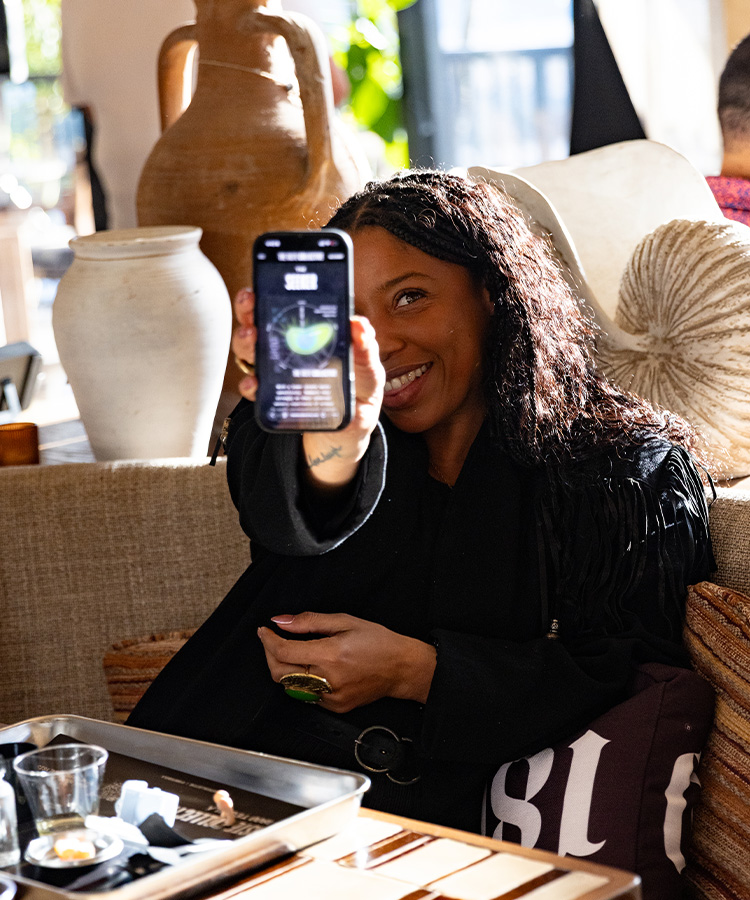
In addition to the in-person sessions, the platform includes a digital component where participants can access their results and continue engaging with the material over time.
What Bartenders Are Saying About the Taste Collective
The impact of the Taste Collective goes beyond tasting notes and technique. Bartenders describe the experience as immersive, collaborative, and deeply personal:
- “This isn’t just another tasting; it truly was an experience of unlocking depth within me and unlocking flavor. The experience wasn’t about shade, but to grow in craft and connection. You could see the time and detail spent on the experience; it was palpable.” — Chicago Bartender
- “Great experience for experts and beginners. The activations were fun and the taste testing was very interactive, which kept the audience engaged.” — New York Bartender
- “The whole concept was so unique. Truly an excellent way to showcase 1800 Tequila by giving bartenders a platform to help unlock a higher level of taste.” — Dallas Bartender
- “This was a great event, especially when we as bartenders have ‘Bartender’s Block,’ almost like a ‘Writer’s Block.’ It definitely helped me start thinking of new ways to mix and match tastes and smells or aromas.” — Dallas Bartender
A Different Kind of Brand Platform
The Taste Collective highlights how spirits brands are rethinking their role in the industry. Instead of focusing solely on product, programs like this one aim to support the skills that bartenders use every day.
For 1800 Tequila, that means positioning itself within the creative process rather than just behind the bar. For bartenders, it offers a structured way to better understand something that is often learned through experience alone.
As education becomes a larger part of brand strategy, initiatives like the Taste Collective point to a model that is likely to become more common across the industry.
Want to join the Taste Collective? Click the link here to join now and learn more.
This article is sponsosred by 1800 Tequila.
