
If you’ve been fortunate enough to experience a Feast of the Seven Fishes dinner, you’ve never forgotten it.
Like many food and drink rituals steeped in nostalgia, the origin story of the Feast of the Seven Fishes is about as clear as a bottle of Brunello di Montalcino. Ask any Italian-American and they might assume this time-honored pescatarian buffet was passed down from the nonnos and nonnas for centuries.
The story goes that in Italy, particularly south of Rome, fish was so abundant that it was considered a humble, inexpensive food. So on the days leading up to Christmas (or Natale in Italian), it was customary for families to abstain from meat and serve a Vigil dinner (cena della Vigilia) on Christmas Eve that consisted of fish.
So it is assumed that this tradition is an interpretation of the Vigilia dinner, but the Feast of the Seven Fishes is about as American as the game of baseball. The first mention of the feast came in the 1980s — specifically in a Philly newspaper, where the tradition is a popular celebration the night before Saint Nick arrives.
Now, if you endeavor to clean, prepare, and cook multiple dishes with fish — the meal is literally seven different fish dishes — you’re going to need some delicious wine for every step of the way. And we know exactly which bottles you should reach for — straight from the old country.
Founded in 1882 by Angiolo Piccini, Piccini wines originally began as seven hectares of vineyards in the Chianti region. Now the company is run by the fourth and fifth generation of winemakers, with Mario at the helm along with his children Ginevra, Benedetta, and Michelangelo Piccini. They continue on in the centuries-old tradition of production and still abide by the guiding principle in which the winery was founded:
It’s not how much wine we make, but how much passion we put in our work.
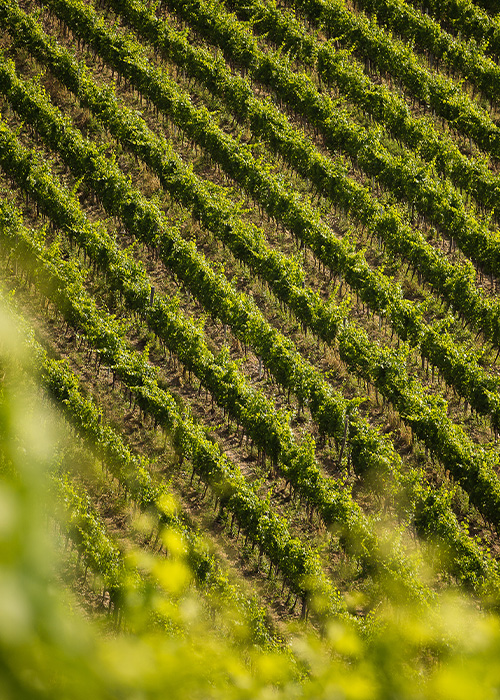
With hot, dry summers, mild winters and rolling hills that help preserve the acidity and balance of the fruit, Chianti is a perfect climate to produce Sangiovese, the primary grape in Chianti.
Piccini are also pioneers in their viticulture practices, most prominently exemplified by their years-long efforts for sustainability and organic farming.
The result of their hard work is “a purer and more authentic expression of our terroir,” says Mario, “and wines with distinctive freshness and excellent aging potential.”
The Feast of the Seven Fishes isn’t for the faint of heart, but we have some great ideas for what to serve and what to drink with it for a night that doesn’t descend into chaos, screaming, and kitchen disasters that mirrors a certain season two episode of The Bear.
To Serve
Cold Shrimp cocktail: few things are better than the satisfyingly sweet crunch of high-quality shrimp dipped into cocktail sauce with plenty of horseradish.
Pair it with
The 2023 Vernaccia di San Gimignano DOCG: An ancient grape that dates back as early as the 13th century, Vernaccia has a rich bouquet with a complex palate and minerality that is a delight with the sweet shrimp and spicy tang of the cocktail sauce.
To Serve
Cioppino: the savory fish stew that originated in the ports of 1800s San Francisco allows you to throw almost any type of seafood in there and let it rip. This tomato-based favorite is best served with a hunk of sourdough bread to dip.
Pair it with
The Chianti Orange DOCG: 90% Sangiovese with a split of 5% Ciliegiolo and 5% Canaiolo, Piccini’s flagship wine has herbal and red fruit aromatics. Its complexity and soft tannins make it a versatile addition to your feast.
To Serve
Pasta alla vongole (clams): A personal favorite, preferred with linguine, a metric ton of garlic, lemon, red chili flakes, parsley, and a generous knob of butter.
Pair it with
The 2023 Vernaccia di San Gimignano DOCG: The briny, umami flavors of the dish paired with the nuances of lemon and grapefruit, along with fresh acidity and minerality go swimmingly together.
To Serve
Spicy mussels marinara: it’s a classic for a reason. Mussels cooked in their own shells in a dutch oven with lots of garlic, quality tomatoes, plenty of red chili flakes, lemon, and — you guessed it — butter. Bonus points for deglazing with some Piccini Chianti to add even more depth of flavor.
Pair it with
The 2021 Chianti Classico DOCG: You’re going to want a sturdy wine to hold up to the spice and garlic. Produced from 90% Sangiovese and 10% Merlot, this Tuscan red spends nine months in oak barrels. Well structured, nuanced, and elegant, the ripe red fruits and soft tannins match well with the richness and spice of the dish.
To Serve
Eel (unagi) sushi: This leans nontraditional and decidedly non-Italian-American, but rules are meant to be gently, deliciously bent in the direction you choose.
Pair it with
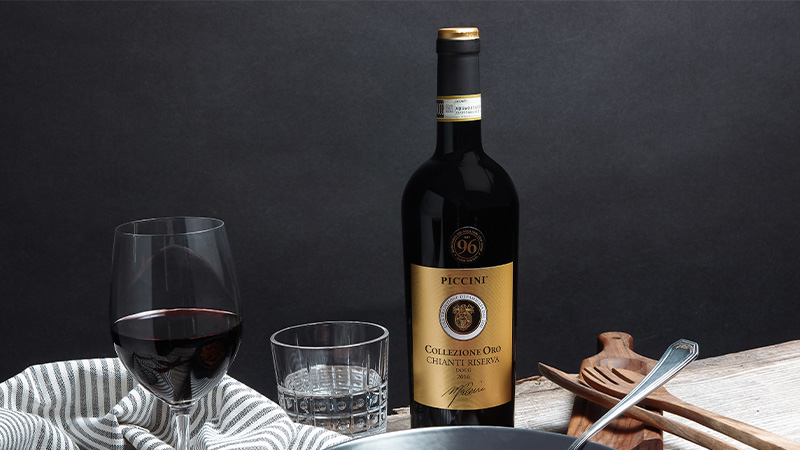
The 2020 Piccini Collezione Oro Chianti Riserva DOCG. Using the highest quality Sangiovese and Cabernet, this wine boasts refined tannins and red fruits that blend harmoniously with the unctuous grilled notes of the eel.
To Serve
Shrimp Fra Diavolo: time to put on your pasta pants again for this spicy classic. Fra Diavolo translates to “brother devil” and just how devilish this dish will be depends on how much spice you add. Best made with fresh, juicy shrimp, garlic, tomatoes, capers, thyme, and a fistful of peperoncini. Bonus points for using bucatini pasta for a sturdier bite.
Pair it with
2021 Brunello di Montalcino DOCG: big, bold flavors call for a big, bold wine. Made from 100% Sangiovese Grosso, the fruit is hand-picked in late summer when perfectly ripe. It then spends two years in oak barrels to add silkiness and elegant, deep complexity.
To Serve
New England Clam chowder: a delectable break from the spicy tomato flavors featured throughout the feast. Sumptuous clams, Yukon gold potatoes, thyme, lots of black pepper, leeks, quality bacon, and cream are a satisfying end to this hefty meal.
Pair it with
2023 Vernaccia di San Gimignano DOCG: The aromatics and herbaceous notes on the palate with balanced minerality helps balance the rich creaminess of the seafood chowder.
As for tips on clean-up? We wish you the best of luck.
Buon Natale and happy cooking!

This article is sponsored by Piccini.
